
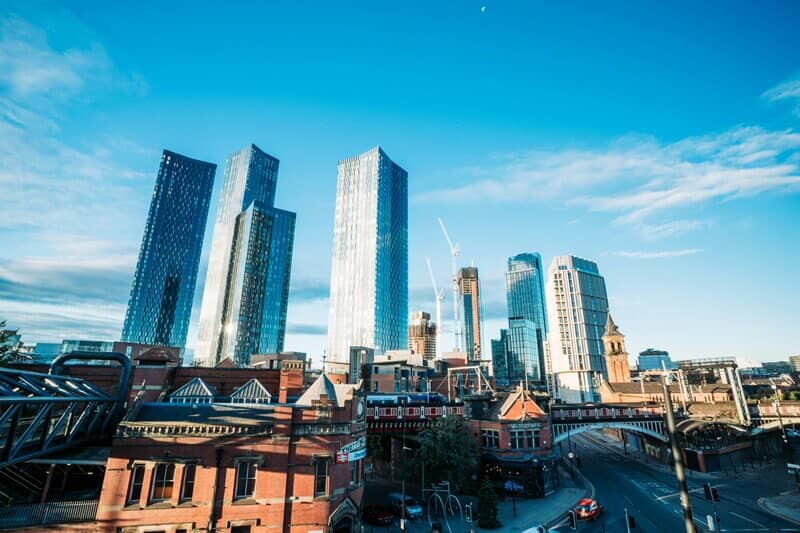
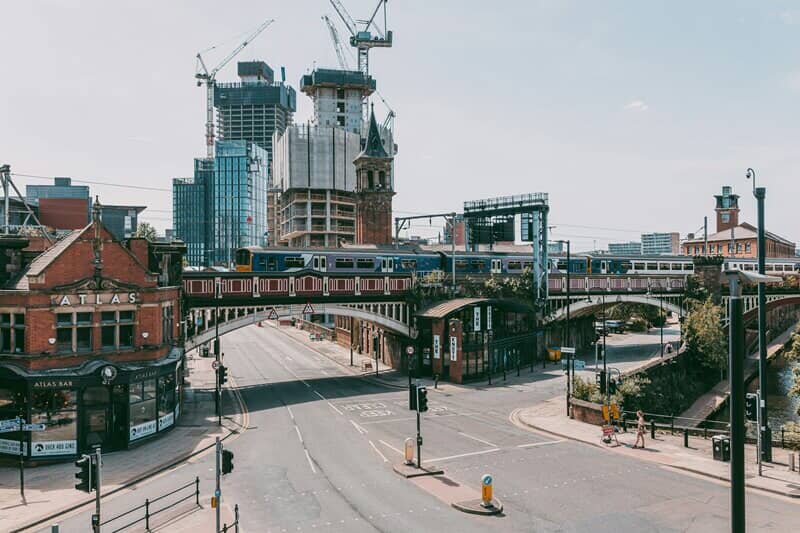
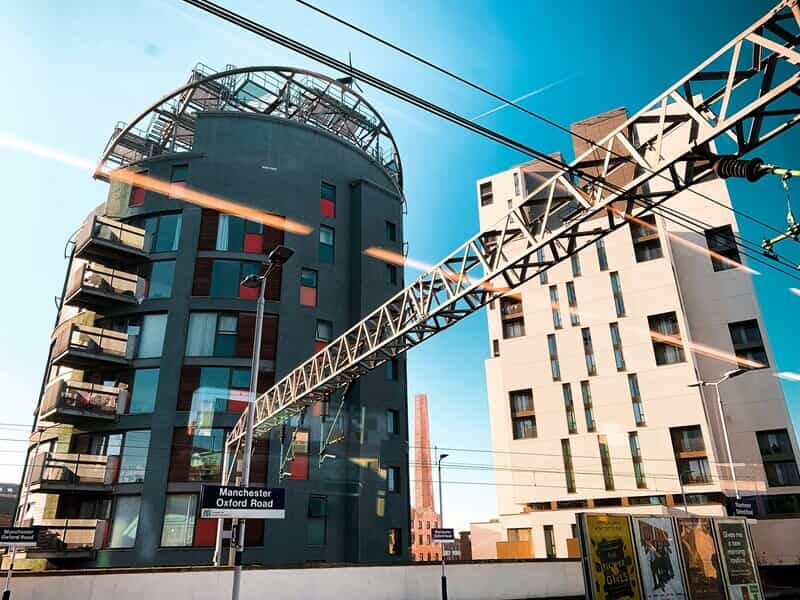
When the area your business operates in transforms, you risk being caught flat-footed. Your signage that worked perfectly when your street was predominantly industrial warehouses suddenly feels out of place when those warehouses become luxury apartments. But, conversely, businesses that adapt too quickly risk alienating the established community that's supported them for years.
But worry not: FASTSIGNS® Manchester is here to help you negotiate this tricky balancing act.
Because it isn't about choosing sides: it's about building bridges. Businesses that thrive during demographic transitions are those whose visual communications speak to multiple audiences simultaneously, acknowledging the area's heritage while signalling its transformation.
Understanding Transition Patterns
Before exploring signage strategies, it's worth understanding what gentrification actually looks like on the ground. Research into Greater Manchester's gentrification patterns reveals that in the five most gentrified wards, including areas like Ancoats and Hulme, more than six in ten residents have moved away in the last 10 years. This represents dramatic demographic transformation in relatively short timeframes.
These changes aren't theoretical: they create immediate business challenges. Your customer base might shift from local workers who've patronised your business for decades to young professionals who've just moved in. These groups have different expectations, budgets and responses to visual communication styles.
Ancoats provides a particularly instructive case study. The area experienced a 60% population decline between 1951 and 2001 due to deindustrialisation. By 1998, an estimated 80% of business floor space in Ancoats was vacant. The subsequent regeneration brought massive demographic changes—but businesses that simply catered to newcomers while ignoring the remaining established community often struggled to build the authentic local connection that makes businesses successful long-term.
The Bridge Strategy: Signage That Serves Multiple Audiences
The most successful signage solution involves creating visual communications that acknowledge multiple demographics without alienating anyone.
Heritage Acknowledgment
Incorporating local history into your signage creates connection with long-term residents while giving newcomers context about their adopted community. This demonstrates that your business respects and understands local identity.
The key is specificity. Generic references to "heritage" feel hollow. Specific dates, previous uses and architectural details create authentic connections that resonate.
Service Range Evolution
Your signage can signal business evolution without abandoning established offerings. A traditional café expanding its offer might display: "Traditional Full English Breakfast - Our specialty for 30 years" alongside "Speciality Coffee & Artisan Pastries”
This dual messaging acknowledges both history and adaptation. Long-term customers see their preferences validated, newcomers see contemporary offerings that meet their expectations.
Price Range Signalling
Local income disparity may suddenly increase. Signage that indicates price range accessibility helps both demographics understand whether your business serves them without feeling exclusionary.
Proce range signalling tells established residents they can still afford to eat here while showing newcomers you offer premium options. The key is the signage isn't defensive about either price point: it serves to welcome diverse income groups.
Visual Design That Bridges Demographics
Beyond messaging content, visual design itself communicates who your business serves and values.
Contemporary Heritage Aesthetic
The most successful signage combines historical visual elements with contemporary design sensibilities. Exposed brick, industrial materials and heritage typography acknowledge local character. Clean lines, modern colour palettes and professional execution signal contemporary standards.
Liverpool's Baltic Triangle demonstrates this approach effectively. Businesses use signage that references the area's industrial past through materials and typography while maintaining contemporary design that attracts creative industry workers now populating the district. This says: "We understand where we are, but we're looking forward, not backward."
Inclusive Imagery
Demographic transitions often bring increased diversity. Your signage imagery should reflect your actual customer base, both established and new. This isn't tokenistic diversity for its own sake: it's accurate representation that makes all customers feel welcome.
A gym in an up-and-coming area might show various age groups, body types and ethnicities in their promotional signage. This inclusivity welcomes both long-time residents and newcomers without alienating its established membership.
Common Pitfalls to Avoid
Businesses often make predictable mistakes when the local areas changes:
Over-Correction
Some businesses abandon their established identity entirely, chasing new demographics while alienating loyal customers. Signage that suddenly becomes unrecognisable suggests you're embarrassed by your history and don't value long-term customers. Such businesses often struggle because they've alienated their existing customer base before fully establishing a new one.
Stubborn Stagnation
The opposite error of refusing to evolve at all leaves businesses looking dated and out of touch. Signage from the 1990s that hasn't been updated signals either financial problems or stubborn refusal to acknowledge local development.
Both new and established residents interpret dated signage negatively. Long-term customers worry the business is failing. Newcomers assume low quality or unwelcoming atmosphere. Regular signage updates signal business health and community engagement regardless of your core identity.
False Authenticity
Newly arrived businesses sometimes attempt to create instant "heritage" through artificially aged signage or invented historical narratives. This approach typically backfires spectacularly. Long-term residents spot the fabrication. Newcomers appreciate genuine history but resent manufactured authenticity.
Measuring Success
How do you know if your signage strategy is successfully navigating local evolution?
Demographic Diversity
The most reliable indicator is customer demographic diversity. If your business serves both established residents and newcomers, your signage is likely striking the right balance. Homogeneous customer bases, be that all long-term residents or all incomers, suggest your visual communications are alienating one group.
Long-term Viability
The ultimate test is survival and success through any period of change. Many businesses fail during gentrification, either by losing established customers before gaining new ones, or by remaining so stubbornly unchanged that they become increasingly irrelevant. The businesses that thrive are typically those whose signage evolution mirrors local evolution: gradual, respectful of heritage, open to positive change and genuinely inclusive rather than superficially diverse.
Looking Forward
This balanced and inclusive approach requires more thought than simply chasing whichever demographic appears more profitable. It builds more sustainable businesses that serve communities rather than simply extracting profit from demographic change.
Based in Salford for many years, we at FASTSIGNS® Manchester have witnessed what profound local change looks like. If you’re looking not just to survive but to thrive in a rapidly changing part of the region, call us and let our experience guide your signage solutions.