
Can You Really Update Your Signage Without Losing Revenue?
Every business owner knows that first impressions matter and that signage creates that crucial initial impact. But here's the dilemma: you need to update your tired, outdated signage, yet you can't afford to close your doors or turn away customers whilst work happens. The good news is that with proper planning and the right approach, signage changes can happen around your business operations rather than disrupting them.
The question isn't whether you should periodically update your signage. It's how to do it strategically so your business continues operating smoothly throughout the process. Let's explore the practical approaches that allow you to refresh your visual communications without sacrificing a single day's trading.
What Planning Do You Need Before Installation Day?
The success of any signage project depends heavily on preparation work that begins long before installation day. Exceptional signage results depend not just on quality fabrication, but on the foresight and planning that precede installation. Businesses that invest time in thorough pre-installation planning avoid the costly disruptions and delays that catch unprepared companies by surprise. And this is something that we at FASTSIGNS® Manchester can really help with.
Start by conducting a comprehensive site survey that identifies potential challenges before they become problems. This involves examining mounting surfaces, checking for hidden obstacles like electrical conduits or structural issues and understanding how installation work might affect your daily operations. Your planning should also address permit requirements and regulatory compliance, particularly important in conservation zones common across historic town centres in the North West.
Consider how installation timing affects different aspects of your business. Map out your busiest trading periods, delivery schedules, customer flow patterns or any upcoming events that might conflict with installation work. A restaurant needs different scheduling from retail premises or an office.
When Is the Best Time to Schedule Installation?
Strategic scheduling is one of the most powerful tools for minimising business disruption during signage installation. For most retail businesses, scheduling installation during off-peak hours offers the best solution. Early mornings before opening, late evenings after closing, or overnight work might involve extra costs but preserve your entire trading day.
Hospitality venues often find weekend installation impractical due to peak trading periods, making midweek scheduling more appropriate. Consider seasonal patterns: retail businesses might avoid installation during November and December when Christmas trading is crucial, whilst professional services might find summer months ideal when client work tends to take a natural dip.
Phased installation approaches work particularly well for complex projects involving multiple signs. Rather than attempting everything simultaneously, stagger the work across multiple sessions, completing the most critical elements first whilst spreading disruption across several shorter periods that are easier to manage operationally.
How Can You Maintain Operations During Installation?
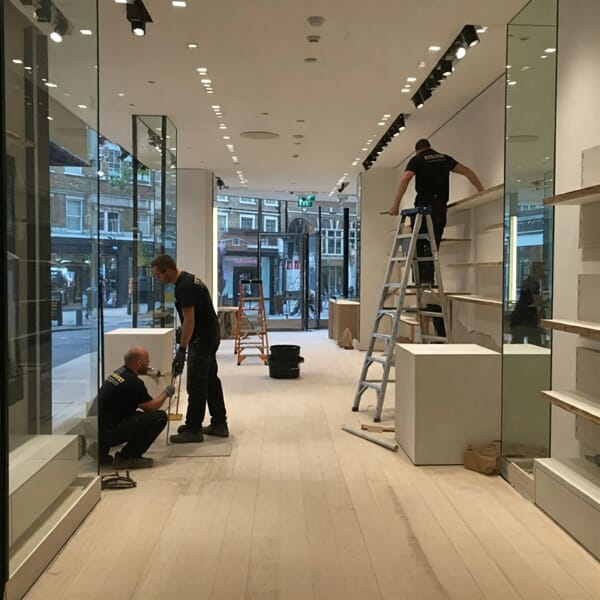
Even with optimal scheduling, some signage work inevitably occurs during trading hours. Create clear physical separation between work areas and customer spaces using temporary barriers, directional signage and safety measures that allow your business to function normally in unaffected areas.
Communicate transparently with customers about what's happening and why. Temporary signage explaining "Exciting improvements in progress! Thank you for your patience" transforms potential annoyance into positive anticipation. Customers generally respond well to visible business investment when they understand it's happening for their benefit.
Staff training becomes crucial during installation periods. Ensure your team understands the installation schedule, knows how to guide customers around any affected areas and can explain what's happening if asked. For businesses where external work might affect access or visibility, consider additional temporary signage directing customers to any available alternative entrances and reassuring passersby that you remain open for business.
What About Digital Signage Installation?
Digital signage installations present unique challenges compared to traditional static signs. Schedule digital signage installation during off-peak hours so that hardware arrives just before installation to avoid storage issues around valuable kit.
Digital installations tend to require more extensive technical work including electrical connections, network integration and software configuration. Content preparation should happen entirely in advance of physical installation. Have all digital content created, tested and approved before installation day arrives, allowing immediate activation once hardware is installed. This preparation transforms what could be a multi-day process into a streamlined operation that minimises your operational downtime.
How Do Multi-Location Rollouts Stay Coordinated?
Businesses operating multiple locations face additional complexity when updating signage. Group nearby locations for installations to save time and money whilst managing logistics efficiently. Schedule installations in geographic clusters, allowing the same installation team to work efficiently across nearby locations whilst gaining familiarity with the brand's specific requirements.
Standardised processes and realistic timelines prevent the cascading delays that plague complex rollouts. Develop detailed installation checklists covering hardware procurement, content creation, system setup, staff training and testing. Communication with location managers becomes crucial during rollouts so provide them with detailed timelines, explain any temporary disruptions, and outline post-installation steps they'll need to manage.
What Contingencies Should You Plan For?
Even the most carefully planned installations encounter unexpected challenges. Weather factors become essential considerations for external signage work, particularly in the North West's changeable climate! Build flexibility into your schedule allowing installation to shift by a day or two if conditions are unsuitable, and have backup dates arranged in advance with your installation team.
Technical complications can arise even with excellent planning: discovering hidden obstacles, encountering unexpected site conditions, or identifying issues with existing infrastructure. Our professional installers conduct thorough site assessments before committing to schedules, but maintain contingency time and resources for addressing unforeseeable challenges without derailing your timeline.
The businesses most successful at changing signage without disruption are those that approach the process strategically with us, investing time in planning and communicating transparently with your staff and customers.
As professional installers, we at FASTSIGNS® Manchester understand that your business operations can't stop just because your signage is being updated. So give us a call and let’s get a plan in place that upgrades your business whilst keeping it making money!