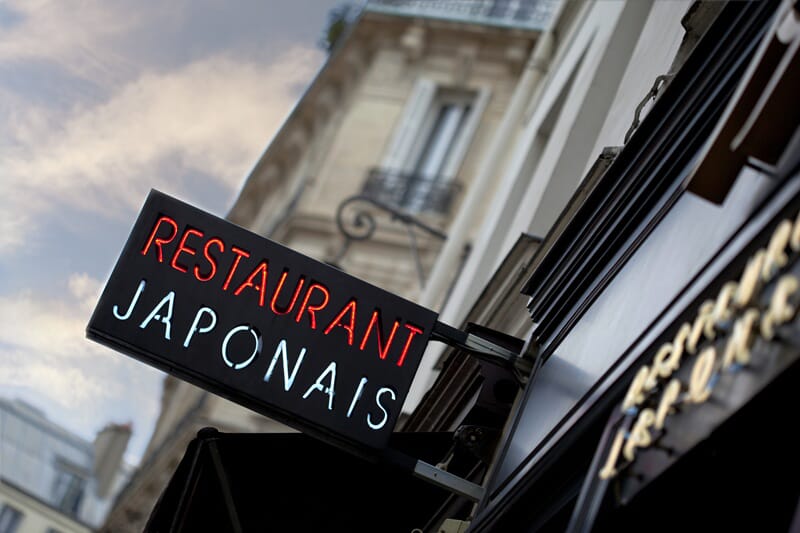
Why does good restaurant signage matter more than ever?
In an increasingly competitive hospitality market, restaurants can no longer rely solely on maintaining food quality. As businesses face rising costs, staff shortages and evolving customer expectations, strategic signage represents one of the most cost-effective investments to drive both revenue growth and customer satisfaction.
The psychology is straightforward: customers make purchasing decisions based on what they see, how information is presented and, crucially, the overall atmosphere signage creates.
So let us at FASTSIGNS Manchester pass on our wisdom and answer some of the questions you might have about making your signage work better for your restaurant.
Does external signage really drive footfall?
Your external signage is your restaurant's silent salesperson, working 24/7 to attract passersby and communicate your value proposition before customers even enter. Studies estimate that the majority of most restaurants’ footfall comes from signage alone, making it one of your most important marketing investments.
Effective external signage answers three questions within seconds:
- What type of food do you serve?
- What's the price range?
- Why should I choose you over competitors?
Get these right and you’ll be immediately attracting the attention of your target market.
Illuminated signage extends your operating hours' visibility. For restaurants serving dinner or late-night customers, well-lit external signs are essential. LED-illuminated signs use minimal energy whilst ensuring your restaurant remains visible during evening hours when many dining decisions are made.
Additionally, seasonal or promotional external signage creates urgency and freshness. Chalk boards and digital displays mean you can easily promote your daily specials, seasonal menus or limited-time offers that encourage impulse visits rather than just a "maybe next time".
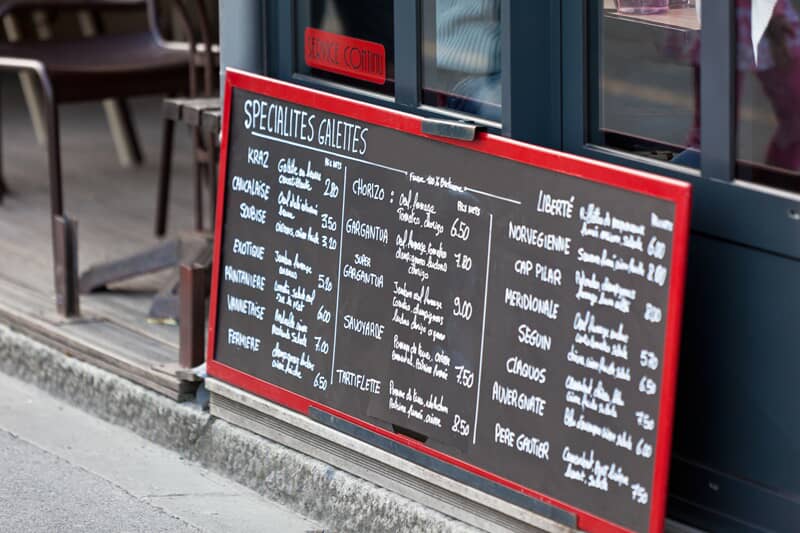
How do menu boards influence ordering behaviour?
Menu board design directly impacts what customers order and how much they spend. Customers typically take around two minutes to read a menu with their eyes following predictable patterns, usually reading from the middle out. Savvy businesses can exploit this by placing their most expensive items where they’ll be seen first.
If it fits with the branding and ambience of your business, a digital menu board can offer particular advantages: instant price updates, easy promotion of high-margin items, dynamic content that changes by time of day and visual appeal through high-quality food photography.
Menu board design also significantly affects ordering behaviour. Let natural visual hierarchy guide your customers towards the optimal choices. Larger fonts, colour highlighting, boxes or images draw attention to specific items. Adding a small "Chef's Recommendation" badge and increasing the font size by two points can drive sales even if the dish itself remains unchanged.
Can wayfinding signage improve the dining experience?
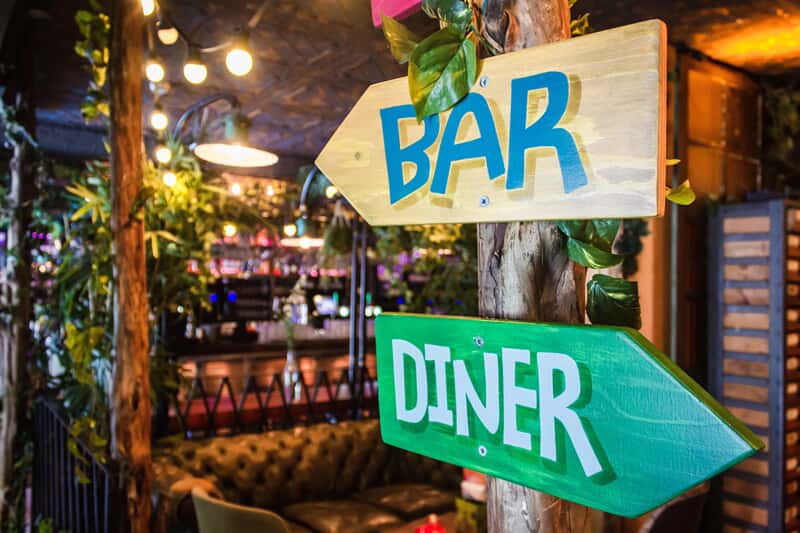
Internal wayfinding might seem unnecessary in restaurants, but clear directional signage reduces customer confusion, improves flow and minimises staff interruptions. "Toilets," "Bar," "Garden Seating" and "Order Here" signs prevent customers from aimlessly wandering around or queuing in wrong locations. Which is only likely to create underlying frustration in their dining experience with you.
Equally, queue management signage reduces perceived wait times and prevents walk-outs. Research shows that informed customers waiting in organised queues will tolerate longer actual wait times than uninformed customers in disorganised queues. Simple "Please wait here to be seated" or "Average wait time: 10 minutes" signs significantly improve customer patience and satisfaction.
How does atmosphere signage affect customer behaviour?
But the role of signage isn’t just functional of course: it builds the atmosphere that influences how long customers stay, how much they spend and whether they return.
Décor signage, wall art and thematic displays can all contribute to the overall dining experience and brand identity. Storytelling through signage builds emotional connection, perhaps featuring photographs and brief biographies of local farmers, fishermen or artisan producers. This approach justifies premium pricing whilst creating conversation topics that enhance the dining experience and encourage social media sharing.
The story of your premises can also be told through signage, tracing the building’s or area’s historical legacy, be that rural or industrial.
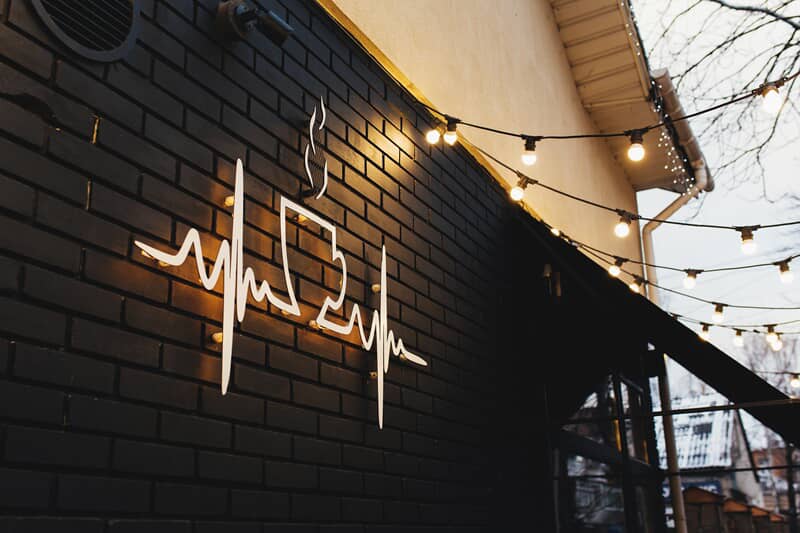
And don’t forget: Instagram-worthy signage generates free marketing. Your competitors are already increasingly designing signature signs, murals or neon displays specifically to encourage customer photography and social media sharing.
What about promotional and upselling signage?
Promotional signage used strategically reliably increases transaction values by suggesting additional purchases customers might not have considered. "Add chips for £2.50" or "Upgrade to premium spirits for £1.50" signs positioned near payment points capture customers at the decision point.
Daily specials boards create urgency and encourage repeat visits. Customers who see different specials each visit have reason to return frequently, whilst the scarcity implication ("today only") encourages immediate purchase rather than waiting until next time.
Combo deal signage simplifies decision-making whilst increasing average spend. "Burger, Chips & Drink - £12.95" requires less mental calculation than itemised pricing and often results in higher total purchases than customers would have ordered separately.
How do you measure signage impact on revenue?
Effectiveness can be measured through several concrete metrics. Track average transaction value before and after signage changes. Monitor specific item sales when prominently featured versus baseline sales. Measure foot traffic changes following external signage updates. Survey customers about how they discovered your restaurant.
A/B testing provides definitive proof of signage effectiveness. Perhaps try using two different daily specials board designs over alternating weeks and track which one design generates the higher sales. But rule out other factors: keep the food and pricing identical. Only signage design should change.
Restaurants which treat signage treat as dynamic revenue infrastructure requiring ongoing optimisation rather than one-time installation consistently achieve the best ROI. By systematically testing, measuring and refining their visual communications, you can transform signage from passive information display into active revenue generation.
So if you’re looking to drive up revenue, give us a call and we’ll find the best solution for your business!