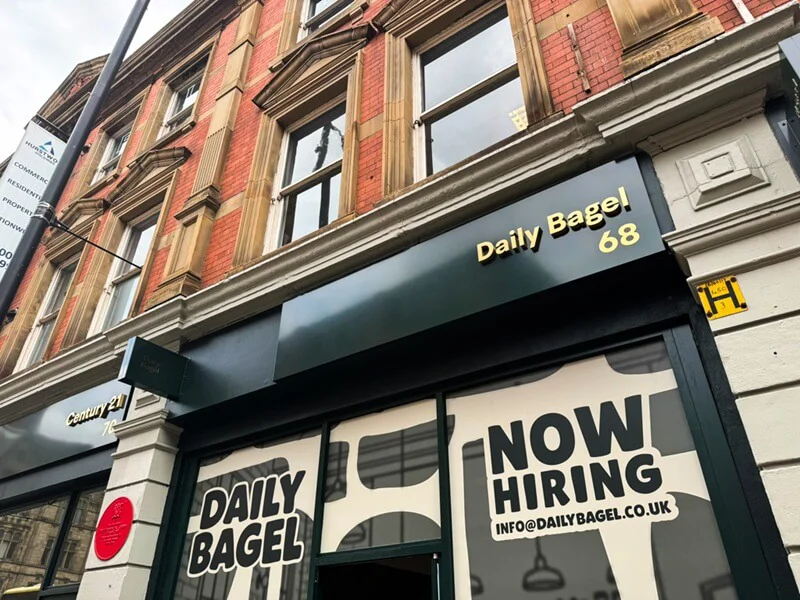
A complete visual rebrand is often approached with a sense of excitement and ambition. New logos, fresh colour palettes and a completely transformed physical shopfront can feel like the ultimate statement of business growth.
However, radically overhauling your signage all in one go carries hidden operational and commercial risks that often catch businesses off-guard. Wanting to show off your sleek modern aesthetics needs to be balanced with operational continuity. And this requires a careful, strategic approach.
The Downsides to a total overhaul
When you replace every exterior and interior sign overnight, you run the risk undermining one of your key commercial assets: customer recognition.
Local customers who rely on your visual identity to find your premises easily can quickly get lost or disoriented. If you have regular customers who’ve located your premises by instinct for years perhaps looking for your illuminated logo above the entrance, can find themselves driving past an unrecognisable building. That brief moment of confusion translates directly into lost footfall, and in the competitive high streets across the Northwest, footfall is everything.
But commercial risks are more than simple recognition. Consistent presentation of a brand tends to push up revenue by as much as a third. So disrupting established visual cues carries obvious, real-world financial consequences.
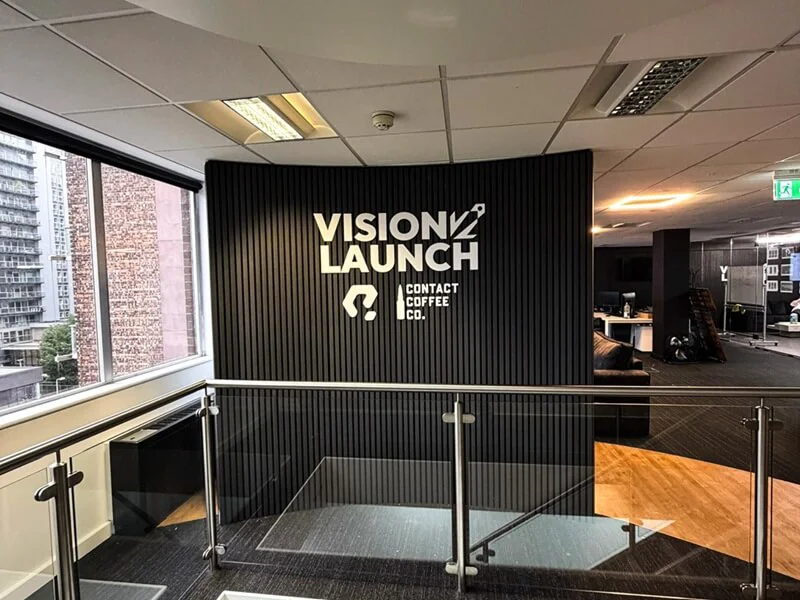
Wholesale overhauls also leave no room for trial and error. If a newly chosen material degrades unexpectedly in the soggy Manchester weather, or if a newly selected font proves illegible from the main road, fixing it across an entire portfolio of signs at once becomes an expensive and disruptive crisis.
So a radical approach can place immense pressure on budgets and installation timelines, potentially leading to rushed workmanship or missed deadlines that disrupt daily trading. Scaffolding and installations in process project an image of instability rather than confident evolution. Visible chaos during a refit can even be perceived as a sign of wider business instability or, ironically, degradation. First impressions and ongoing impressions both matter, and a bungled rebrand can undermine years of your carefully built reputation.
The Power of incremental change
In contrast, an incremental approach allows you to update your visual identity phase by phase: testing and refining as you see how things really look, not how you thought they would. By starting with high-impact areas, such as main entrance branding or primary wayfinding, you can assess how new designs perform in the real world before committing capital to the entire site. This protects cash flow and ensures that any unforeseen design flaws can be corrected on a small scale before they proliferate across every sign you’re putting up.
Incremental change also gives your customer base time to adapt naturally and even to engage positively with your design evolution. Rather than waking up to an unrecognisable storefront, your regulars will see a sophisticated, considered progression of your brand. This gradual familiarity builds rather than breaks customer loyalty.
From a purely financial perspective too the incremental approach offers significant advantages. Capital expenditure is spread across a manageable timeline rather than absorbed as a single, potentially destabilising hit. This is particularly important for small and medium-sized businesses, where cash flow management is often the difference between growth and difficulty. It also avoids the financial and environmental drawbacks of your having to scrap perfectly good signage prematurely.
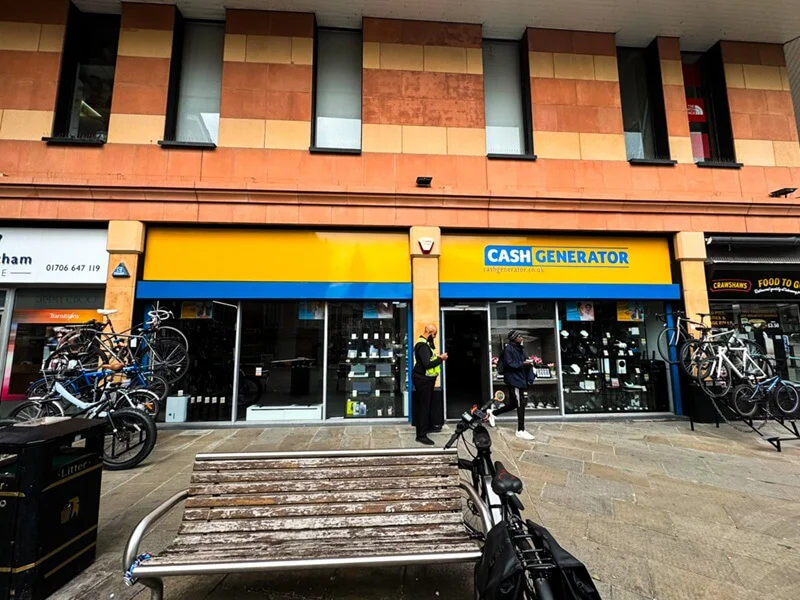
The phased approach can also provide valuable data at each stage. How do customers respond to the new branding on your entrance sign? Does the updated colour palette read well across different light conditions and seasons? Are staff and customers finding the new wayfinding intuitive? Each phase is a learning exercise that informs and improves the next, producing a final result that is considerably more refined than anything delivered in a single, rushed overhaul.
What if you need to change quickly?
There are circumstances where a quick and complete overhaul is unavoidable. In these situations, prioritisation becomes critical. We’d advise you to start with those elements with the greatest customer visibility: primary fascia signage, entrance branding, and any signage visible from main roads. Secondary internal signage, wayfinding and supporting elements can follow in planned phases without compromising the essential message that change has occurred.
Even in urgent circumstances, quality should never be sacrificed for speed. Temporary high-quality vinyl graphics applied over existing signs can bridge the gap between old and new identities whilst permanent signage is professionally manufactured and installed. This approach maintains professional brand integrity even during the most disruptive work.
Strategic signage implementation
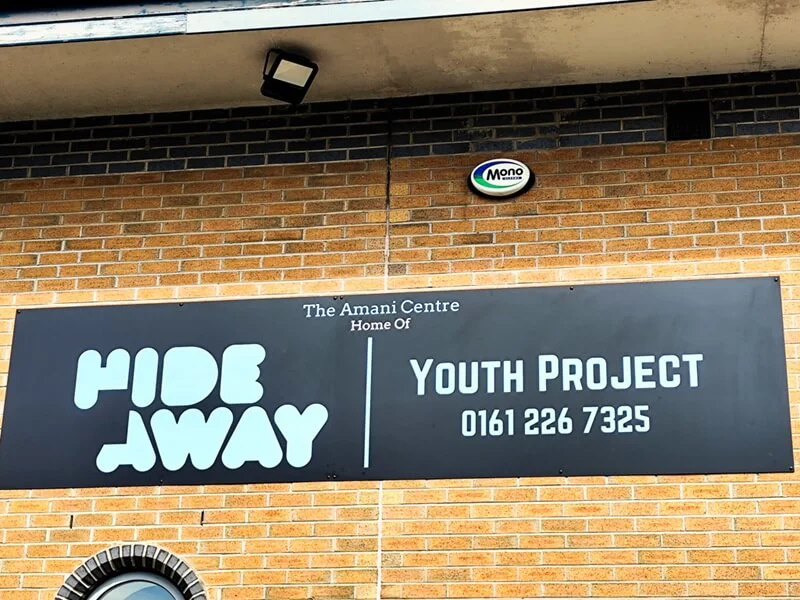
Managing a signage transition effectively requires partnering with experienced professionals who understand how to phase a project without losing brand consistency throughout. We’re proud to say that that’s exactly what we at FASTSIGNS Manchester offer. We can help you identify which elements carry the most visual weight, which changes will deliver the greatest commercial impact earliest and how to sequence the remaining phases for maximum efficiency and minimum disruption.
Whether you are evolving a single premises or managing a multi-site estate across the Northwest, the principle remains the same: evolution outperforms revolution in almost every commercial context.
Your signage has been quietly building customer recognition and trust over years of trading. That accumulated goodwill is a business asset worth protecting. A carefully considered and professionally executed incremental rebrand protects it whilst still delivering the fresh, contemporary identity your business deserves.
