
School signage needs to work hard. It keeps people moving in the right direction, marks safety information and can turn blank walls into something that reinforces your school’s values or just makes the space feel more inspiring.
When you're choosing or updating signage, you need it to be clear, durable and easy to maintain. At FASTSIGNS® Leeds, we’ve worked with primary schools, secondary schools, academies and colleges across Leeds and West Yorkshire for 30 years. We can help with the whole process: site survey (if needed), design, production and installation.
Contents:
- What makes good school signage?
- Exterior school signs: what you need outdoors
- Interior school signs: help people find their way
- Health and safety signage in schools
- Temporary and seasonal school signs
- Graphics that shape how your school feels
- Materials and finishes: what lasts in a school environment
- How to plan a school signage project (a simple checklist)
- Examples from local schools
What makes good school signage?

There are a few key things to keep in mind for any school signage:
Safety and compliance
Consider fire exits, assembly points, hazards and restricted areas. If there's an emergency, people need to know where to go.
Safeguarding and visitor management
Signage helps control who goes where – visitors know to report to reception, staff-only areas are marked – and backs up your safeguarding procedures.
Accessibility and inclusivity
Signs need contrast and clear fonts so everyone can read them. Pictograms help where literacy or language is a barrier, and braille and tactile elements are important in toilets and main routes.
Durability and easy cleaning
School signs get knocked, scuffed, cleaned regularly and if they're outside, they deal with weather all year. The right materials mean you're not replacing them every few years.
Clear wayfinding
If visitors and supply staff are constantly asking for directions, your signage isn't clear enough. Good wayfinding reduces interruptions.
Consistent design and branding
When signs look different in every block, people get confused. Consistent design and naming makes the site easier to navigate.
Talk to our team in Leeds about school signage
Exterior school signs: what you need outdoors

Outdoor signage needs to stay legible in all weathers and hold up over time, especially if it's visible from the road or across the site.
Main entrance and welcome signs
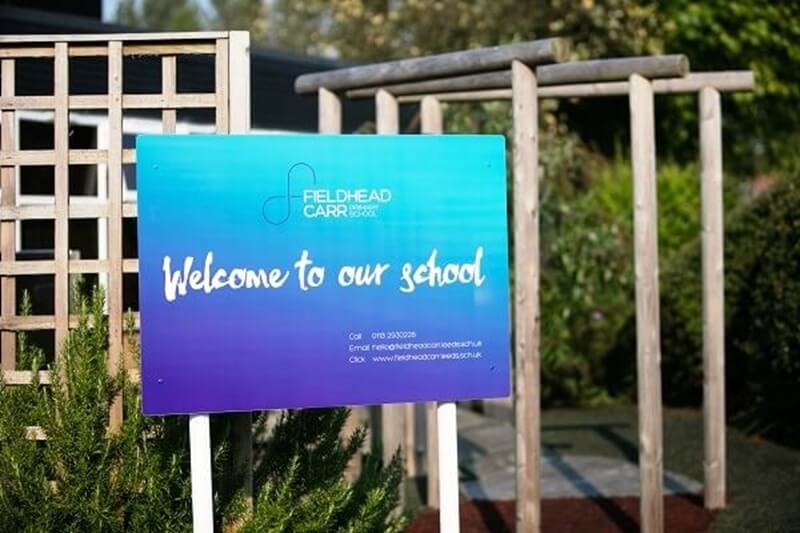
Your entrance sign is usually the first thing visitors see. It tells them they’re in the right place and gives them a sense of the kind of school you are.
If your school's set back from the road or the entrance isn't obvious, freestanding or illuminated signs make a difference. At Fieldhead Carr Primary School, the school name wasn't visible enough and visitors weren't sure which entrance to use. We installed freestanding signs, fascia lettering and a roof tower wrap as part of their rebrand, and it solved both problems.
Common options for main entrance signs:
- Post-mounted signs (freestanding, works well for sites set back from the road)
- Wall-mounted signs or lettering on the building facade
- Illuminated signs if visibility matters outside school hours or in winter
Directional and wayfinding signs
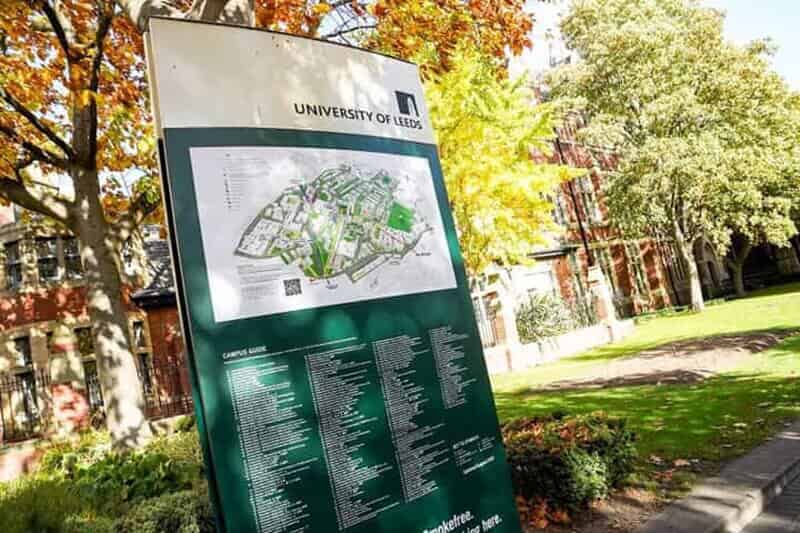
Once people are on site, they need to know where to go next: car parks, reception, sixth form, deliveries, sports facilities, nursery drop-off. Directional signs are a must, especially if you have multiple buildings or a large site.
What works:
- Directional posts at junctions and pathways
- Freestanding directional signs near car parks
- Wall-mounted arrows and directional panels near entrances
Safety, safeguarding and perimeter messaging
You need outdoor signs that show visitors where to report, mark staff-only areas and point out entrances.
What you'll typically need:
- Visitor sign-in instructions at the main gate or car park
- "Staff only" signs on side or back entrances
- Parking rules, one-way systems, pedestrian crossings
- Delivery and contractor entrance signs
- Site rules like speed limits or no smoking zones
These signs need to hold up outdoors and stay put. Near public boundaries, you'll want anti-tamper fixings so they don't get removed or damaged.
Interior school signs: help people find their way
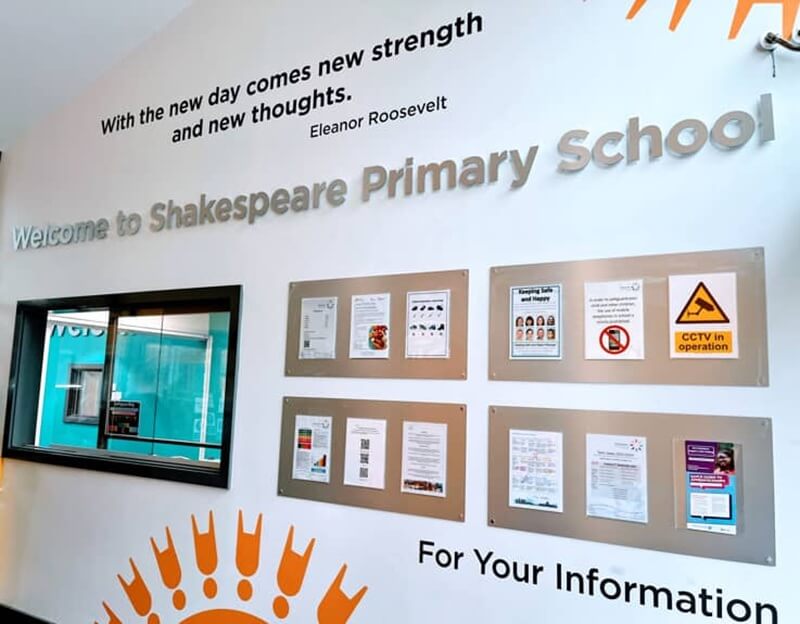
Interior signage helps people navigate your building. It marks rooms clearly, guides visitors through corridors and makes sure everyone can find what they need independently.
Done well, it also reinforces your branding and can use colour-coding to help people understand which department or year group area they're in.
Reception signs and visitor management
Reception is where most visitors form their first impression. The signage here should be clear and welcoming.
What works at reception:
- Welcome signage or a branded wall panel
- Opening hours and term dates
- Sign-in instructions
- Safeguarding and visitor badge information
- Directional signs if reception isn't immediately visible from the entrance
Wayfinding and room identification

Corridor, stairwell and room signs help people find their way around. Supply staff, visitors, parents and new students all benefit from consistent signage.
What you'll typically need:
- Room number or name plaques on every door
- Directional signs at corridor junctions and stairwells
- Department signs for subject areas or year group areas
- Notice boards or poster holders near classrooms for timetables and announcements
At Hawksworth Primary School, we worked on both wayfinding signage and interior wall graphics. The wayfinding signs helped visitors navigate the site, while the wall graphics in the main hall created a feature space with a magical theme using custom plywood shields.

Accessibility and inclusive signage
Signs need to be accessible for everyone. Good contrast, readable fonts and consistent placement height make a big difference for people with visual impairments or reading difficulties.
Pictures help where literacy or language might be a barrier. They're useful in early years settings, but also support anyone unfamiliar with the building or who doesn't speak English as a first language.
Braille and tactile signage are important in areas like accessible toilets and key facilities. We've installed braille signage at schools including The Coach House at the University of Leeds, where accessible waste bin signs included braille as part of the refurbishment.
What to consider:
- High contrast between text and background
- Clear, sans-serif fonts
- Placement at a consistent height
- Pictograms for toilets, exits and step-free routes
- Tactile and braille elements
Health and safety signage in schools
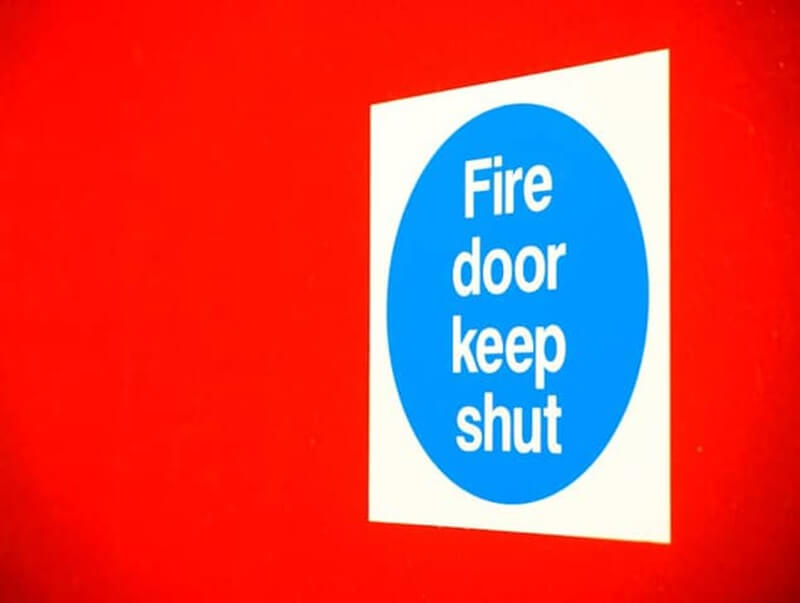
Health and safety signs need to be clear and visible, as well as durable enough to stay legible over time.
Common sign types you'll need:
Fire safety and emergency exits
Fire doors, emergency exits and assembly points all need signs that are visible in all conditions, including if the power’s out. Illuminated or photoluminescent signs are often used for exit routes.
First aid
Including first aid point signs and accessible toilet signs. If you have a defibrillator on site, that needs clear signage too.
Hazard warnings and PPE areas
Science labs, DT workshops and food tech areas often need PPE signs. Hazard warnings for chemicals, sharp tools, hot surfaces or restricted areas help keep students safe.
Cleaning and storage areas
Storage rooms, cleaning cupboards and plant rooms need clear signs, especially if contractors or supply staff are on site. "No unauthorised access" signs reduce the chance of someone opening the wrong door.
Site-specific risks
If there's a risk on your site, it needs marking. Think about any steps, low headroom areas, vehicle routes or loading bays where people might need to pay extra attention.
If you're updating health and safety signage, it's worth doing it all at once so the style and placement are consistent. Mixing old and new signs makes important information harder to spot.
Temporary and seasonal school signs

Not all school signs need to be permanent. Schools run events throughout the year that need temporary signs, or sometimes you just need signage that can be updated or removed easily.
Event banners and signage
Open evenings, sports days, performances, fundraising events and awards ceremonies all benefit from temporary signs.
Common options:
- Freestanding banners (pull-up or outdoor banner stands)
- Fence or building banners for outdoor events
- A-boards for directional signage on event days
- Printed boards or posters for welcome areas and reception
Temporary event signage is a great way to reinforce your branding when parents, prospective families and the wider community are on site.
Temporary notices and campaign messaging
Sometimes you need signage that can be updated regularly without reprinting permanent signs – like behaviour initiatives, health campaigns, term calendars and general pastoral messaging.
Noticeboards with lockable covers work well for this, as do poster holders or snap frames that make swapping content straightforward. Removable window graphics can also work for short-term campaigns, especially if you want something more visual than a printed poster.
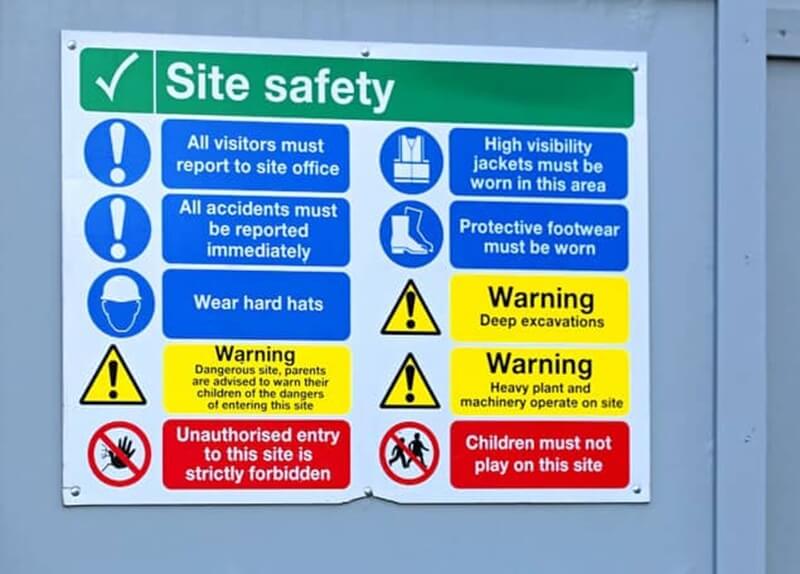
Construction and refurbishment signage
If you're doing building work, you'll need temporary signs that manage safety and access while the work's happening. Directional signs for alternative routes, "no access" barriers and health and safety notices for contractors help keep the site safe.
Request a quote for school signs
Graphics that shape how your school feels
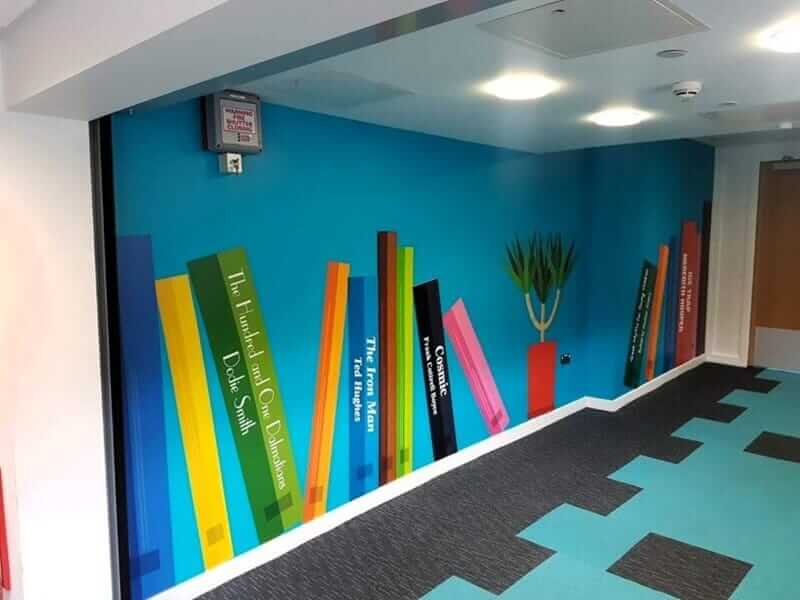
A lot of school signage is about function – helping people find rooms or marking exits. But wall and floor graphics are a great way to shape how your school actually feels. An empty wall or corridor is a blank canvas to reinforce your values or make students feel like the space belongs to them.
Wall graphics and murals
Wall graphics work well in communal areas where you’ve got large walls to work with.
What schools use them for:
- Literacy walls with key vocabulary or reading lists
- Times tables, formulas or subject-specific content in department corridors
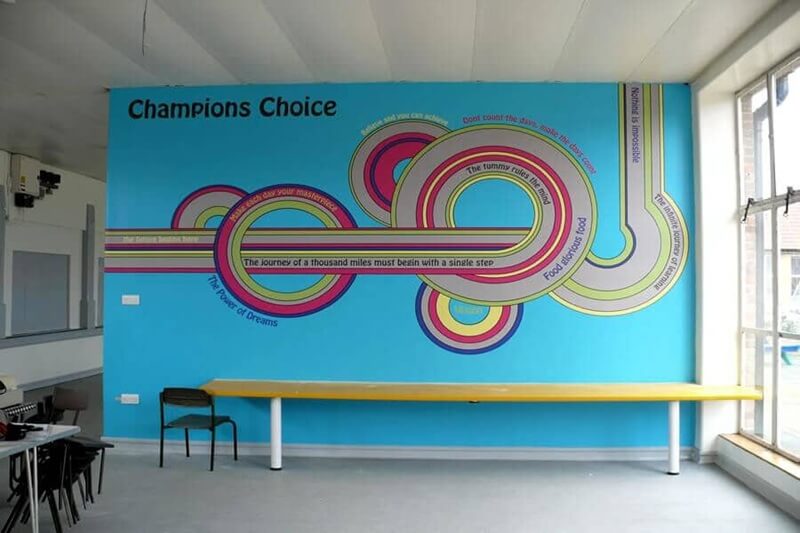
- Motivational quotes or school values in communal spaces
- Designs or themes that reflect your school (house colours, crests, sports imagery, etc)
The design has to work around what’s already on the wall. At St. Wilfrid's High School, we designed wall graphics for their refurbished canteen that had to fit around windows, radiators and TV screens. The graphics showed messages about food consumption across the world while making the space feel more finished.
For well-being spaces, graphics need to set a different tone to the rest of the school. At Garforth Academy, we installed vinyl wall graphics in their student quiet room using geometric shapes and inspirational quotes. The room needed to feel like its own space, not just another classroom.
Floor graphics
Floor graphics manage queues and mark routes in high-traffic areas like canteens, corridors and reception. They show where to stand, which direction to walk or mark zones for different year groups.
They're durable and designed to handle foot traffic, but they wear faster than wall or door signs. Expect to replace them more often, especially in busy areas.
Window vinyl
Window vinyl adds privacy to spaces like offices or medical rooms without blocking light. You can also use it for branding, safeguarding messages or just decorative graphics.
Frosted or manifestation vinyl is common on glazed doors and full-height windows. It makes the glass more visible and meets safety requirements. It's also a chance to add your school branding or values so they're visible from outside.
Materials and finishes (what lasts in a school environment)

School signage needs to handle daily wear, including hundreds of students, bags scraping walls, fingers touching surfaces and weather if it's outdoors. The material you choose affects how long the sign lasts and how much maintenance it needs.
Common materials and what they're good for
- Aluminium: Lightweight, strong, weather-resistant. Good for outdoor signs, entrance signs and anything that needs to last years with minimal maintenance.
- Acrylic: Looks polished and professional. Works for reception signs and wall-mounted plaques. Can scratch over time in high-traffic areas.
- PVC: Budget-friendly and versatile. Good for temporary signs, internal directional signs or anywhere that doesn't get heavy contact. Not as durable as aluminium or acrylic.
- Vinyl: Printed vinyl applied to walls, windows, floors or doors. Easy to update or remove. Works for wall graphics, window manifestations, floor graphics and room signs. The laminated finish gives it some scuff resistance.
- Prints: Paper or card are cost effective and recyclable. Good for noticeboards, temporary posters or anything that gets swapped out regularly.
Protective finishes
- Anti-graffiti laminate: Lets you wipe off graffiti without damaging the sign. Worth it for external signs or anywhere accessible to the public.
- Scuff-resistant finishes: Harder surfaces or laminated materials that resist scuffs. Good for corridor signs and high-traffic areas.
- Easy-clean surfaces: Smooth finishes that wipe clean without staining. Useful for anywhere that needs regular cleaning.
- UV-resistant inks and laminates: Give the inks a longer lifespan in sunlight. Great for outdoor signs or anything near windows.

Fixings and installation
How you fix the sign to the wall or post affects durability and how easy it is to replace later.
- Wall-mounted signs: Directly fix to the wall with screws or adhesive, or fixings that create a gap between the sign and wall for a more premium look.
- Post-mounted signs: Bolted or fixed with steel clips to metal posts. Common for car park signs, directional signs and site maps.
- Interchangeable signs: If you have signs that need to be changed out regularly, there are various options that work. We can advise the best solution.
We'll recommend materials and fixings based on where the sign's going and how long you need it to last.
How to plan a school signage project (a simple checklist)
If you're planning a signage project, here's how to approach it without missing anything important.
1. Audit what you have
Walk the site and note what's already there and what's missing or needs replacing. Look for damaged or faded signs, areas where people regularly get lost, rooms that aren't clearly marked or signs that don't match anymore.
If you’d like an expert opinion upfront, we’re happy to visit your site and audit your signs – get in touch to arrange a visit.
2. Prioritise what matters most
Start with safety and wayfinding: fire exits, emergency assembly points, accessible toilets, main routes. Wall graphics and anything decorative should come later.
3. Agree on design rules
Before you design anything, agree on the basics: colours (school branding, department or year group colour-coding), fonts, icons or pictograms and tone. Keeping it consistent makes navigation easier and looks more professional.
4. Site survey and measurements
Measure where signs will go and check what's in the way, like windows, radiators, fire equipment or light switches. Take photos. This stops surprises during installation.
5. Plan installation timing
Schools are busy during term. Installation usually works best during holidays, weekends or out-of-hours if the project's big enough to need phasing.
6. Think about maintenance and updates
Rooms get repurposed, staff change or timetables shift. Use modular tray signs where content might need updating. Choose durable materials for high-traffic areas, and keep design files so you can order replacements that match.
What we’ve done for local schools

We've worked with schools across Leeds and West Yorkshire on wayfinding, wall graphics, exterior branding and room signs.
Our local school projects include:
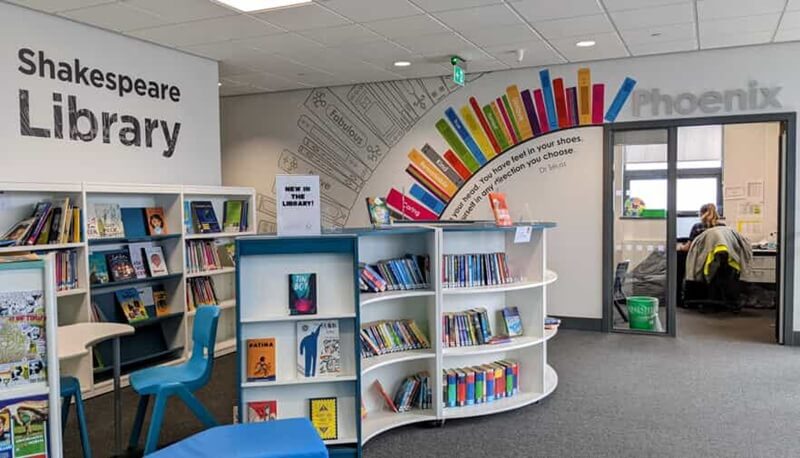
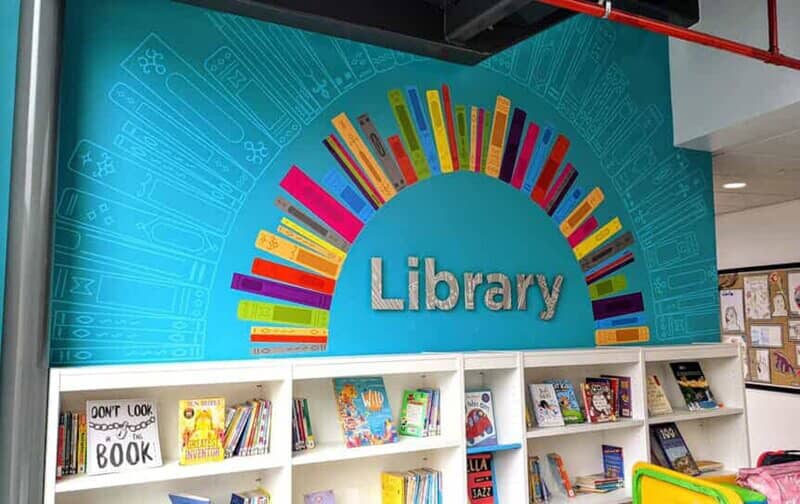
- Shakespeare Primary School: wall graphics and wayfinding to inspire reading and learning
- St. Wilfrid's Catholic High School: canteen wall graphics and long-term signage partnership
- Garforth Academy: student quiet room with calming vinyl wall graphics
- Hawksworth Primary School: wayfinding signage and bespoke hall graphics
- The Grammar School: wayfinding for visitors and sports events
- Fieldhead Carr Primary School: exterior and interior branding refresh
- University of Leeds: projects across multiple departments including The Coach House refurbishment with accessible signage
You can view more examples and photos on our education case studies page.
Get your school signage right
We've worked with schools across Leeds and West Yorkshire for three decades, so we know what works. If you’re planning a signage project at your school, get in touch. We can talk through what you need and recommend the best approach for your site and budget.