
Your business signage works around the clock. It guides customers to your door, reinforces your brand identity and creates that crucial first impression. But weather can take its toll – rain gets into gaps and seals, UV fades colours and dirt and grime build up faster than you think. Add to that daily wear from footfall and general handling and even well-designed signs can start to look shabby.
Regular maintenance protects what you've invested in your signs. It keeps your business looking professional and helps you avoid expensive emergency repairs down the line. This guide covers the practical side of sign maintenance – what to check, how to clean different materials, when you can handle things yourself and when it's time to call in the professionals.
Why sign maintenance matters
A clean, well-maintained sign tells customers you care about the details. Faded graphics, flickering letters or a wonky panel send the opposite message, even if everything else about your business is running smoothly.
There's also the safety angle. As well as being unsightly, loose fixings, cracked faces and electrical faults are hazards. A falling sign panel or exposed wiring can cause injury and leave you facing serious liability. Many premises also have insurance, lease or planning conditions that require signage to be kept in good repair. Regular checks catch problems early, and replacing a corroded bracket is far cheaper than dealing with a sign that's come down in high winds.
Common sign types and what goes wrong
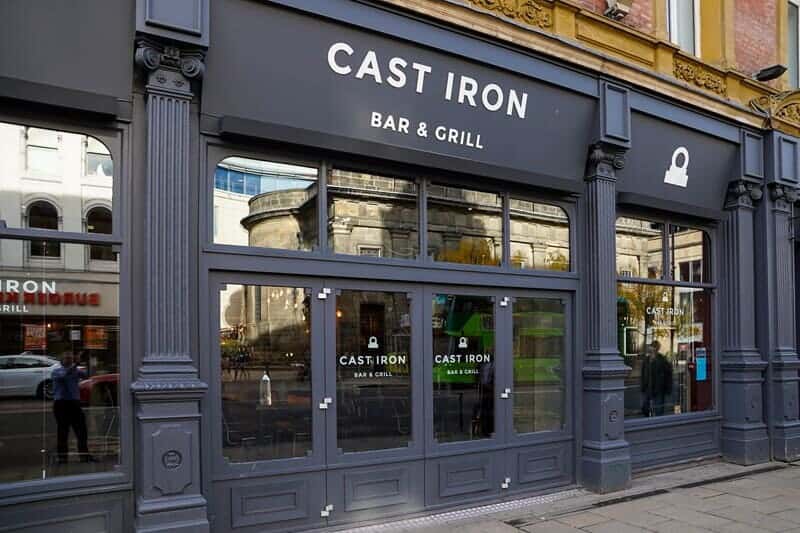
Outdoor fascia and shopfront signs are exposed to the conditions. Rain, exposure to UV and traffic pollution can all take their toll, leading to faded colours, lifted edges or corroded fixings. Illuminated fascias can also develop water ingress or patchy lighting.
Totem signs and monoliths are designed for sitting outdoors, often in high winds, but fixings can become loose over time – especially at the base. Water pooling at ground level can cause problems too, including rusting.
Window graphics suffer from UV fading – especially when they’re south or west facing. Ammonia-based glass cleaners or rough cloths can damage the vinyl, cause scratches and lift edges. Once peeling starts, dirt can get trapped under the edges and make the problem worse.
Interior wayfinding and wall graphics suffer from scuffs, fingerprints and general daily wear, especially in high-traffic corridors and stairwells. These signs can also become outdated as rooms change use, departments move or staff change, so they should be reviewed regularly to make sure they’re still accurate.
Read our guide to directional signage for more on effective wayfinding
Floor graphics are walked on all day, so they have the shortest lifespan of any signage. High heels, trolleys, wheeled equipment and cleaning products all wear through floor graphics. Edges begin to lift, especially in wet areas like entrances, and become trip hazards in need of quick attention.
Illuminated and LED signs last a long time but can still dim over time or develop dead spots. If seals fail, moisture damage can cause problems. Electrical components also have a finite lifespan and need servicing periodically.
The practical sign maintenance checklist
A simple routine keeps small problems from becoming big ones.
Weekly or monthly visual checks
Walk your site and look for the obvious stuff: peeling edges, cracks, loose panels, dim or flickering lights. Check that fixings are tight and nothing's come loose. If your sign is near a road or car park, look for scuffs or impact damage.
For interior signs, check they're still straight, clean and relevant. If a room's changed use, update the sign.
Quarterly clean and fixings check
Every three months, give your exterior signs a proper clean and inspect the fixings. Dirt and grime build up faster than you'd think, especially in urban areas. Check brackets, screws and seals for corrosion or movement. Tighten anything that's come loose and replace fixings that look past their best.
For illuminated signs, check the light output is even and bright. If you notice dimming or dark patches, it's time to investigate.
Annual service for illuminated and exterior signs
Once a year, book a professional service for any illuminated, high-level or structurally important signage. A specialist will check electrical connections, test for water ingress, inspect seals and work safely at height. They'll also spot issues you might miss from ground level.
Get in touch to arrange a service today
This is a good time to review whether your signage still does the job. Branding changes, new products or a refresh of your premises might mean it's time for an update.
Wondering if it’s time for a rebrand? We’ve covered the importance of keeping your branding up to date and effective, as well as top tips for rebranding, in our article ‘Tips for rebranding a small business’.
Sign cleaning tips by material
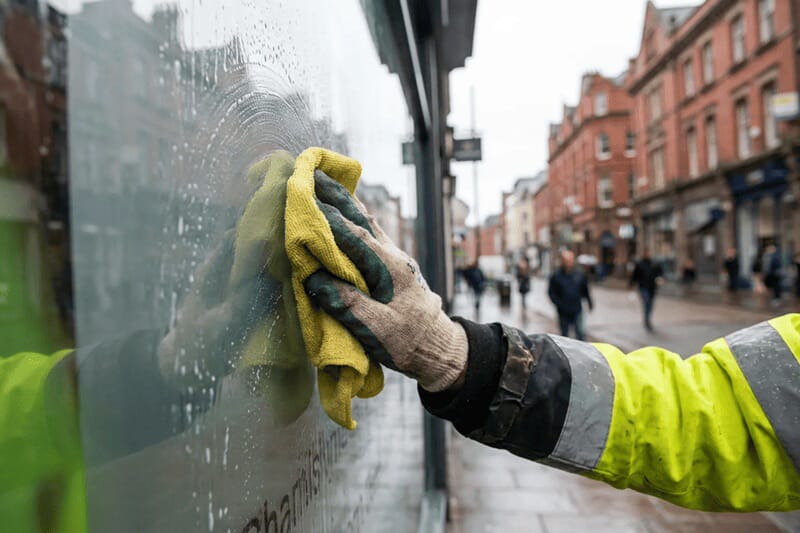
The wrong cleaning method can do more harm than good. Here's how to clean the most common sign materials safely.
A tip: if you already use a window cleaner, they can often add exterior sign cleaning to their regular visits. Just make sure they know which products are safe for your particular signs.
Vinyl and window graphics
Do:
Dust with a soft microfibre cloth
For deeper cleaning, use lukewarm water and pH-neutral soap
Wipe gently with a cloth or soft sponge
Rinse with clean water and dry with a lint-free cloth
Don't:
Use solvents, glass cleaners with ammonia, abrasive pads or high-pressure washers
Scrub too hard or use anything that could lift edges, fade colours or damage the adhesive
Acrylic (Perspex) and polycarbonate
Do:
Clean with lukewarm water and non-abrasive, pH-neutral soap or anti-static cleaner
Use a clean microfibre cloth
Rinse thoroughly and pat dry to avoid water spots
Don't:
Use alcohol, ammonia or solvent-based cleaners
Use abrasive pads or paper towels (even fine scratches can show up on clear or gloss finishes)
Aluminium composite and metals
Do:
Rinse off loose dirt first
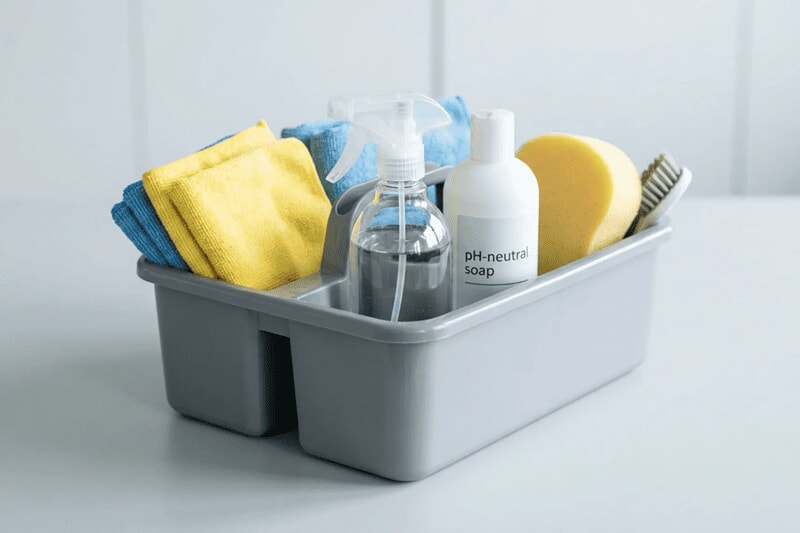
Wash with pH-neutral detergent and a soft sponge or brush
Rinse well and dry to prevent streaks and water spots
Don't:
Use strong acids, alkalis or citrus-based degreasers
Use scouring pads or pressure wash near joints and seals (these damage protective coatings and can let water in)
Printed banners and fabrics
Do:
Lay the banner flat
Wipe with lukewarm water and a little mild soap using a soft cloth
Rinse and air dry
Don't:
Scrub harshly or use solvents, bleach or pressure washing
Do anything that could damage the print or weaken the material
Exterior sign care through the seasons

Leeds weather means your signs face rain, wind and the occasional freezing temperatures. Here's what to watch for through the year.
Spring: After winter, check for water damage, corrosion and loose fixings. Freezing and thawing cycles can crack seals and make fixings loose. Spring's a good time for a thorough clean and inspection.
Summer: UV exposure fades colours over time, especially on south-facing signs. If you're installing new signage that'll be in direct sun, consider UV-protective coatings.
Autumn: Check seals are intact and fixings are tight before winter sets in. Clear fallen leaves and debris from around ground-mounted signs.
Winter: Keep an eye on signs after heavy rain or freezing weather. Water ingress in cold weather can cause serious damage to illuminated signs. Check that fixings stay secure in high winds.
Year-round: Urban pollution and road grime build up fast. Regular cleaning keeps signs bright and stops long-term staining.
Illuminated sign servicing
Illuminated and neon signs need a bit more care than non-lit signs. LEDs are reliable but they're not maintenance-free.
Start with regular visual checks. Look for dimming, flickering or patchiness. If part of the sign is darker than the rest, a module or power supply might be failing. Check after heavy rain for misting inside the sign. This means water has got in and needs dealing with quickly.
Clean illuminated signs with mild soapy water and a soft cloth. Avoid harsh solvents that can damage the sign.
Illuminated sign servicing should include checking electrical connections, inspecting seals and replacing any failed LED modules. This work needs proper training, test equipment and often working at height with the right access gear.
For anything involving electrical work, height or opening up the sign housing, call a professional. Signs must be properly isolated before any electrical work begins. Working on live electrics or at height without the right training and equipment is dangerous and often illegal under health and safety laws.
Learn more: everything you need to know about illuminated signs
Repair vs replace: how to decide
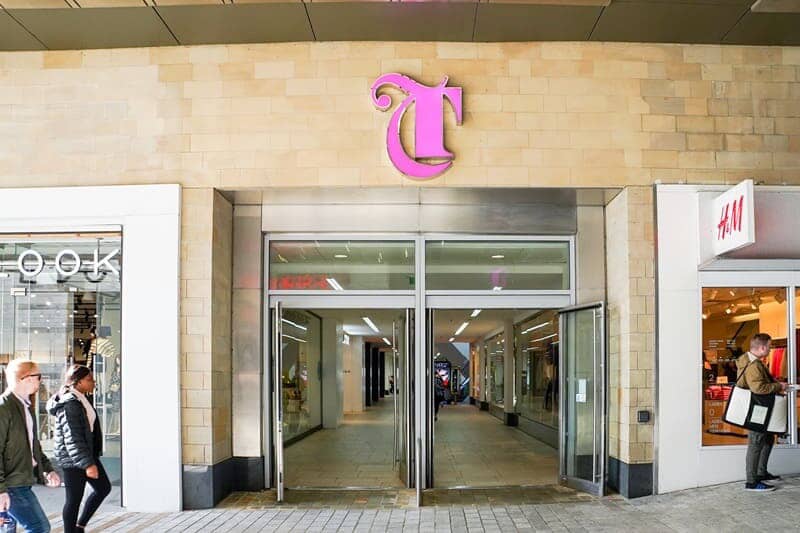
Not every problem needs a new sign. If the damage is cosmetic and the structure and fixings are sound, repair or refurbishment is usually the way to go. Scuffs, minor fading or a single cracked letter can be fixed. Replacing a panel, applying new vinyl or swapping out an LED module is far cheaper than a full replacement.
If the sign has structural damage, widespread failures, outdated technology or no longer fits your brand, replacement makes more sense. An old fluorescent-lit sign, for example, might cost more to keep running than a new LED equivalent would cost to buy and install.
Consider the lifespan left too. If a sign's ten years old and showing its age across the board, patching it up might only buy you a year or two. A new sign with a warranty and modern components is often better value.
Modern signage is also more recyclable than older alternatives. Find out more about sustainable signage choices and how to make your business signage more environmentally friendly.
Budgeting and scheduling
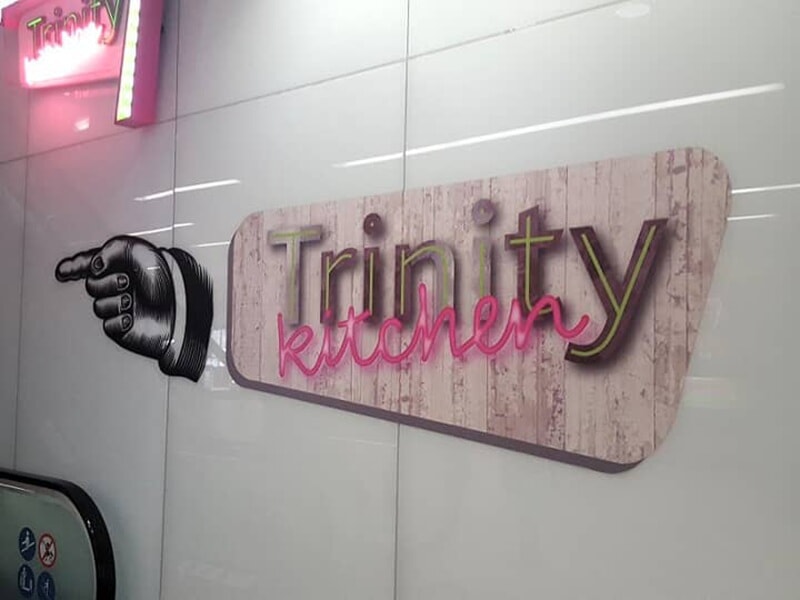
Set aside a small annual budget for sign maintenance. Include cleaning materials, minor parts, labour for inspections and a contingency for unexpected repairs. Catching problems early almost always costs less than emergency call-outs.
Here's a simple schedule to follow:
Exterior signs (non-illuminated):
Monthly visual check
Quarterly clean
Full annual inspection
Illuminated signs:
Monthly visual check
Clean twice a year
Electrical service once a year
Interior and wayfinding signs:
Monthly clean or dust
Quarterly checks to make sure they're straight, secure and up to date
Floor and wall graphics:
Monthly check for lifting or wear
Replace on a schedule based on footfall (high-traffic areas may need new graphics every 6-12 months)
Professional maintenance in Leeds: what to expect

A professional maintenance visit takes the guesswork out of keeping your signs safe and looking smart. You get expert eyes on your signage, proper equipment and repairs done right the first time.
At FASTSIGNS Leeds, a typical visit lasts 1–2 hours, depending on the number of signs. We'll hire access equipment if needed, give each sign a thorough clean and check all the fixings. We'll tighten or replace simple fixings on the spot and can make straightforward repairs to illuminated signs there and then. There’s no waiting around for parts or second opinions – if we can fix it safely during the visit, we will.
For more detailed repair work, we'll provide a clear estimate and come back to complete the work on a second visit. You'll know exactly what's needed and what it'll cost before we start.
We've worked with businesses across Leeds for years, from independent shops to schools, hospitals and large commercial sites. We know what local conditions do to signage and how to keep it looking its best. If you'd rather focus on running your business than worrying about whether your signs are safe and compliant, we'll handle it.
Need a maintenance check? We’ll make sure your signs are in safe hands – get in touch today
FAQs about sign maintenance

How often should exterior signs be serviced?
At a minimum, once a year. Illuminated or high-level signs benefit from a check every six months, especially after winter weather.
What's the safest way to clean vinyl window graphics?
Lukewarm water, pH-neutral soap and a soft cloth. Avoid ammonia-based glass cleaners and abrasive pads.
Why do illuminated signs go dim or patchy?
LED modules have a lifespan. Dimming or dark patches usually mean a module or power supply is failing. Water ingress can also cause problems.
Can cracked acrylic be repaired or does it need replacing?
Small cracks can sometimes be fixed, but if the crack is large or the panel is brittle, replacement is safer and looks better.
What's a typical annual cost for sign maintenance?
It depends on the number and type of signs. A basic annual service for a small business is relatively affordable, while larger sites or complex illuminated signage will cost more – but it's still far cheaper than emergency repairs or replacement.
Do I need planning permission to replace a like-for-like sign face?
Usually not, if it falls under deemed consent. However, advertising consent typically lasts five years, so you may need to renew it even for a like-for-like replacement. Listed buildings, conservation areas and some high streets have additional restrictions. Check with your local planning authority if you're unsure.
How does Leeds weather affect sign lifespan?
Frequent rain, freeze-thaw cycles and urban pollution accelerate wear. Seals and fixings corrode faster and UV exposure fades colours. Regular cleaning and servicing help but expect exterior signs to need attention more often here than in drier climates.
Keep your signs looking their best
Good sign maintenance isn't complicated. A simple routine of visual checks, regular cleaning and annual servicing keeps your signage looking professional, safe and on-brand. It also saves money by catching small problems before they become big ones.
Whether you're responsible for a single shopfront or a multi-site operation, investing a little time and budget in sign maintenance pays back in customer confidence, safety and longevity.
If you'd like help with a maintenance check, a repair or advice on when to replace, reach out to our friendly local team. We'll help you keep your signage looking its best, year after year.