Your gym's signage does more work than most people realise. Before a potential member even walks through the door, your signs have already made an impression. Inside, it's doing constant work: helping people locate changing rooms, understand equipment, follow the rules or find the water fountain. It's also what makes the space feel like yours rather than any other gym.
Get it right and signage supports everything you're already doing, like retaining members, attracting new ones and creating an environment people genuinely want to be in. Get it wrong, or forget about it and let it age, and it starts working against you.
We've worked with gyms and sports facilities across Leeds and West Yorkshire for over 30 years. This guide covers the signage decisions that actually matter – what to put where, what materials work in a gym environment and how to approach a signage project without wasting budget.
Why signage matters for gyms
Good signage does a few things at once:
- First impressions: a well-maintained exterior sign tells people something about the standard of your gym before they've set foot inside
- Wayfinding: members and visitors should be able to find their way around easily without having to ask staff
- Member experience: a well-designed space feels intentional. It affects how people feel about their membership and whether they renew
- Brand identity: consistent signage across your whole site reinforces who you are
- Safety and compliance: signs for fire exits, equipment warnings and accessible facilities aren't optional
- Retention: a space that looks tired and unloved sends a message – and so does one that's been properly looked after
Exterior gym signage: making your mark from the outside
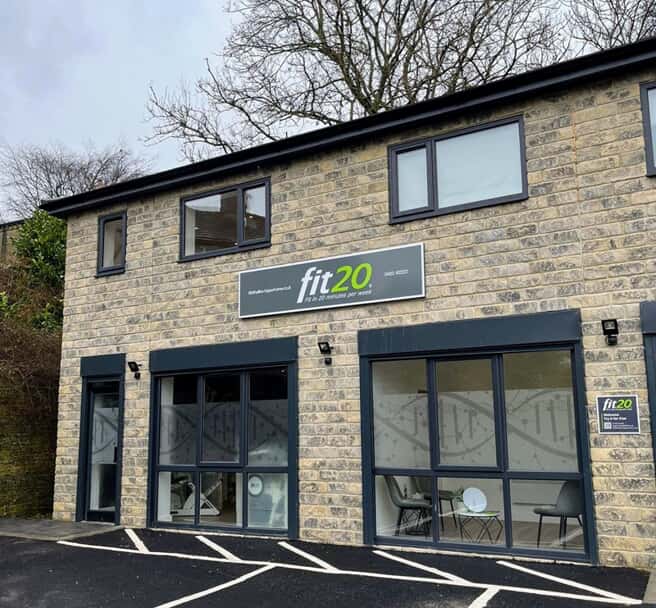
Outdoor signage needs to work in all weathers, stay legible at a distance and hold up over time. For gyms, which often open early and close late, visibility in the dark matters too.
Illuminated fascia signs
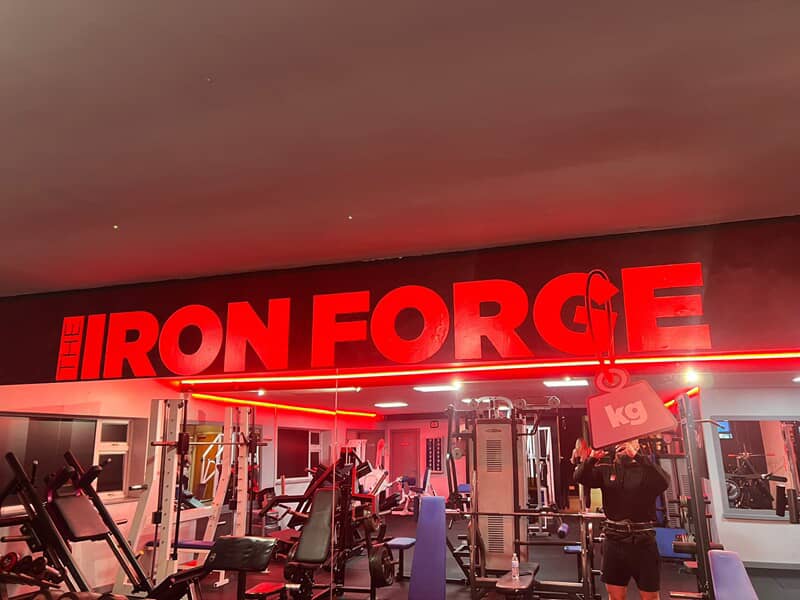
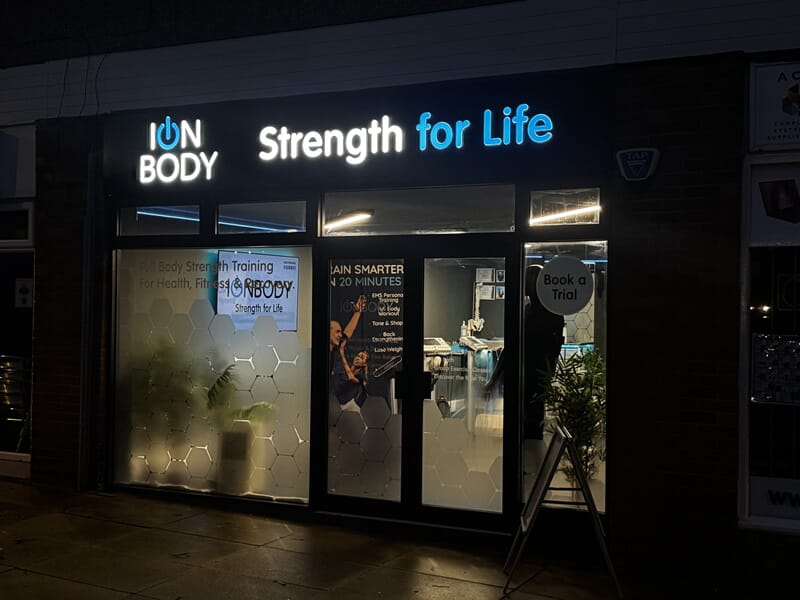
If your gym is on a high street, retail park or visible from the road, an illuminated fascia is worth the investment. It gives you presence at 5am and 10pm, not just during daylight hours. LED-lit options are energy efficient and last well. Halo-lit lettering (where the light glows behind individual letters) tends to look more premium than a flat-lit box.
Window graphics
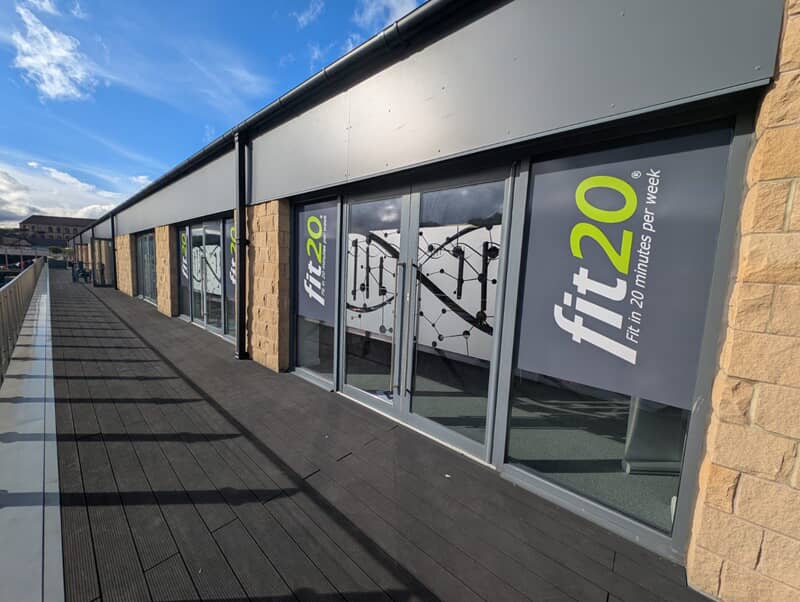
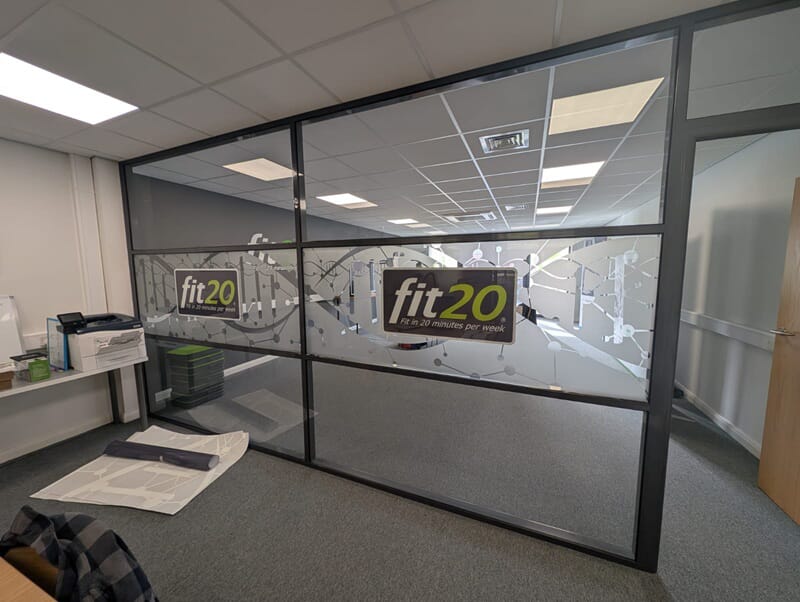
Large windows are an opportunity. Frosted or printed vinyl can carry your brand, showcase what's inside or communicate a key message to passers-by – a membership offer, your class timetable or even a motivational line. They also add a bit of privacy for members without blocking all the natural light.
Entrance and directional signs
If your gym shares a building or car park with other businesses, clear directional signs from the road or car park are essential. Post-mounted or wall-mounted signs that point visitors to the right entrance save a lot of confusion and reflect well on how professionally you're run.
Interior gym signage: function and feel
Interior signage in a gym has two jobs: practical navigation and environment. Both matter.
Reception and welcome area
Reception is the first thing members and visitors see when they come through the door. A branded wall panel or welcome sign behind the desk sets the tone immediately. It should reflect the gym's identity – a premium gym might prefer a clean and minimal look, while a space focussed on performance might prefer something bolder and more energetic.
Wayfinding and room signs
Clear, consistent room and area signs mean members can navigate independently. This includes signs for:
- Changing rooms and showers
- Gym floor zones (free weights, cardio, stretching)
- Group exercise studios
- Spin or cycling studios
- Sauna, steam room, pool
- Toilets and accessible facilities
- Reception and exit
Consistency matters here. Signs that all use the same font, colour palette and placement height make finding your way around intuitive.
Wall murals and motivational graphics
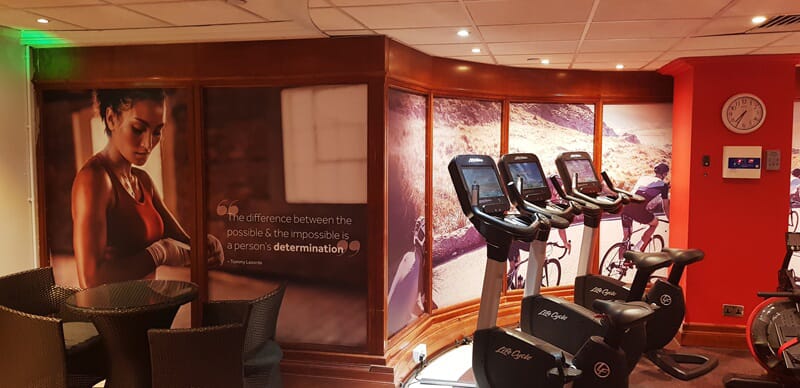
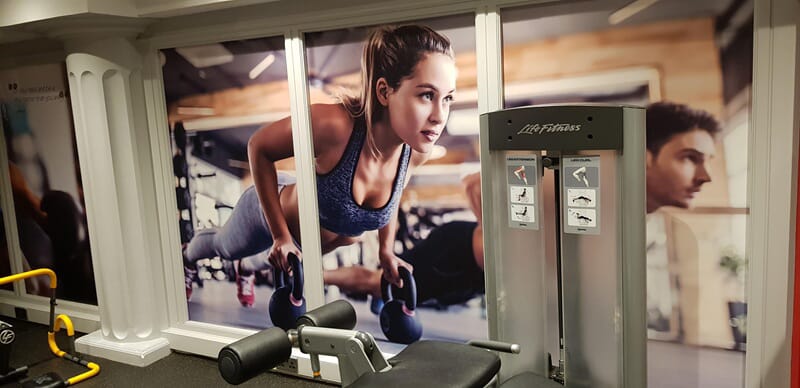
Large-format wall graphics are one of the most effective ways to shape how a gym feels. A well-designed mural in the weights area, a motivational quote in the studio or an action shot along a long corridor can make the space feel like a proper training environment rather than a room with equipment in it.
The design needs to fit the space. That means working around windows, mirrors, equipment and electrical fittings and thinking about how the graphic looks at different distances.
Popular uses in gyms include:
- Bold typography with brand values or mottos
- Large-format athlete imagery
- Stats, records or performance benchmarks
- Brand colours used as feature walls
- Graphics that differentiate zones – so the cardio area feels different to the free weights area
Floor graphics
Floor graphics work well for directing footfall through high-traffic areas like reception and changing rooms, marking queuing systems, or adding branding to a gym floor. They're designed for heavy foot traffic. High-traffic areas wear faster, so floor graphics need replacing more frequently than wall or window graphics – we can answer any questions about longevity.
Health and safety signage in gyms
Health and safety signage in a gym is a legal requirement in most cases and part of your duty of care to members. The good news is it doesn't have to be an eyesore. Consistent design means safety signs can fit your brand without looking like an afterthought.
What you'll typically need:
- Fire exits, assembly points and fire door signs
- First aid point and defibrillator location signs
- PPE requirements for specific areas (e.g. lifting gloves, footwear)
- Equipment usage instructions and warnings
- Hazard signs for wet floors, restricted areas or plant rooms
- Accessible toilet and facility signs
- Safeguarding and visitor sign-in information at reception
For a full overview of the sign categories, colour codes and legal requirements, read our guide to site safety signs under UK regulations.
If you're updating health and safety signage, it's worth doing it all at once so the style and placement are consistent. Mixing old and new signs, with different fonts, colours and styles, makes important information harder to spot.
Materials that hold up in a gym
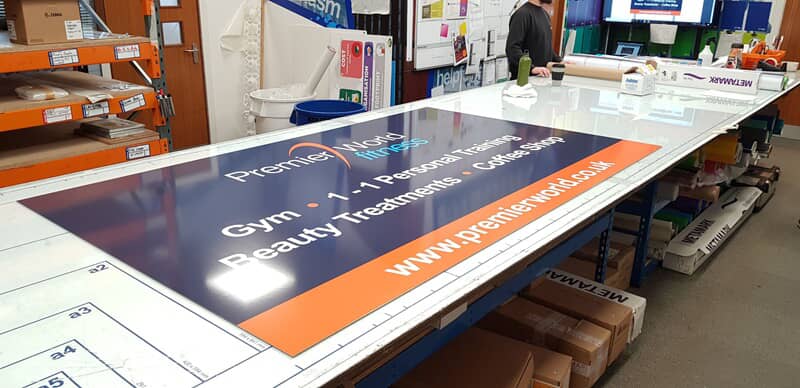
Gyms are hard on signage. High humidity in changing areas, cleaning products used daily, equipment impact and constant footfall all take a toll. The material choice matters.
- Aluminium composite: Durable, lightweight, good for exterior and interior room signs. Holds up to cleaning products well.
- Acrylic (Perspex): Clean, professional finish. Good for reception signs and premium room plaques. Can scratch in very high-traffic areas.
- Printed vinyl: Versatile and cost-effective. Used for wall graphics, window graphics and floor graphics. Laminated finishes add scuff and moisture resistance.
- Anti-graffiti laminate: Worth specifying on exterior signs or any area accessible to the public. Lets you remove marker pen or surface damage without affecting the sign.
- Easy-clean and moisture-resistant finishes: Important in changing rooms, wet areas and anywhere that gets wiped down daily.
We'll recommend materials based on where each sign is going and what it's likely to face.
Accessibility: signs everyone can use
Accessible signage makes your gym easier to use for everyone and ensures you’re staying legally compliant. Some key things to get right:
- High contrast between text and background
- Clear, sans-serif fonts at a consistent size
- Signs placed at a consistent height throughout the building
- Pictograms for toilets, exits and accessible facilities
- Braille and tactile elements on key signs, particularly accessible toilets and main routes
What we’ve done for local gyms and leisure facilities
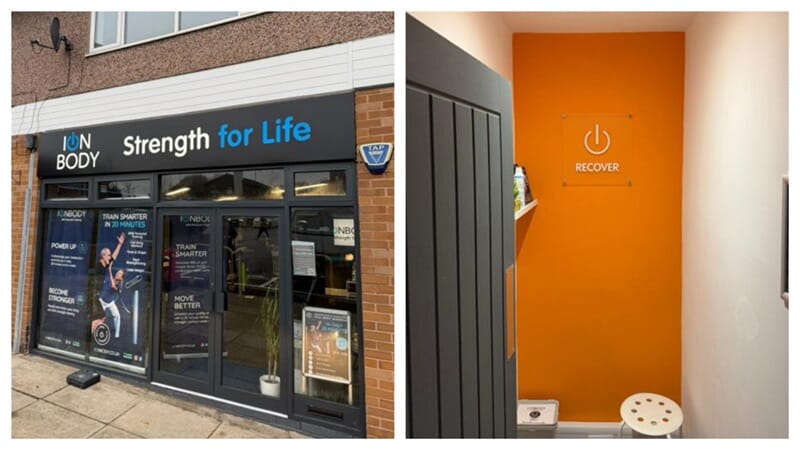
We completed a full signage package for ION BODY, a personal training studio in Garforth. The brief covered a new shopfront fascia, window graphics and interior signage for their training rooms. Each room got a colour-coded feature wall and a branded acrylic panel: blue for Strength, orange for Recover, green for Transform. It makes each space feel distinct and means members know exactly where they are from day one.
The shopfront went up and within 15 minutes, two people had walked in to enquire.
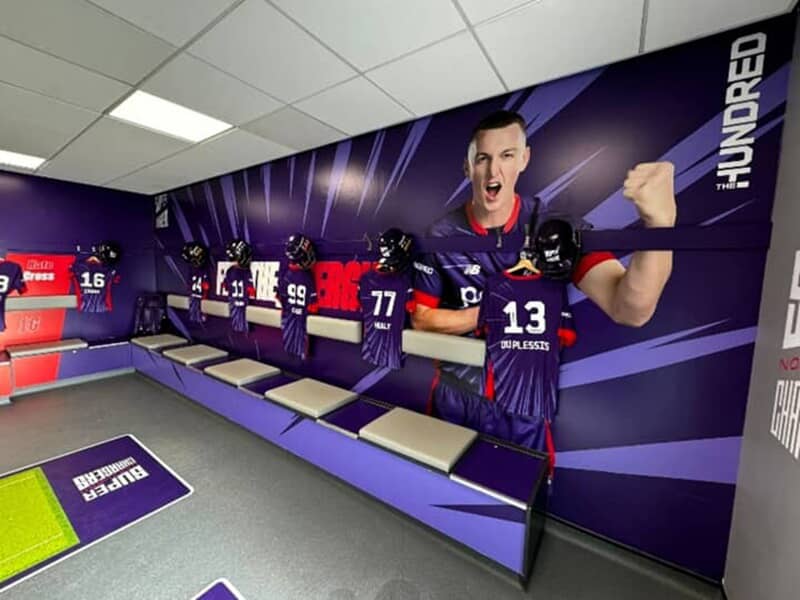
We've done similar work in sports environments too. At Headingley Stadium, we transformed the Yorkshire CCC changing room for The Hundred's Northern Superchargers – 75 square metres of wall and floor graphics turning a functional space into something that actually reflects the standard of the team using it, all delivered in three weeks.
"The big, bold colours created a powerful impact the moment you walked into the changing rooms," said Andy Simpson, Director of FASTSIGNS Leeds. The same principle applies whether it's a cricket changing room or a gym floor: the space should tell people something about the standard of the place.
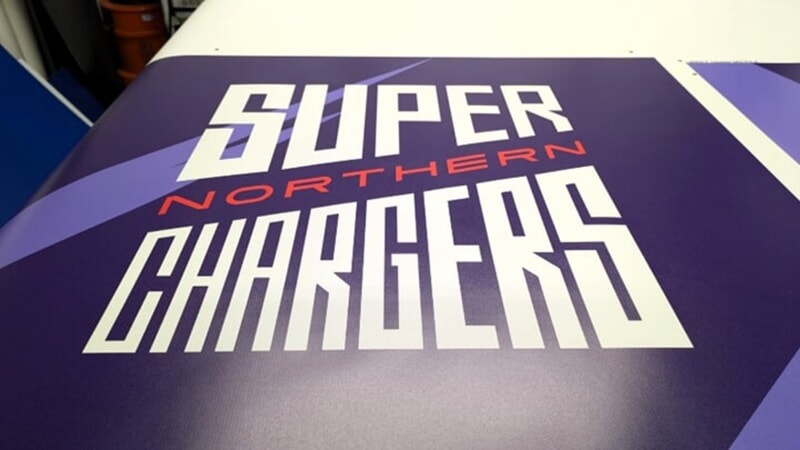
Read the full case study: Yorkshire CCC
Planning a gym signage project: where to start
If your current signage is patchy, ageing, or just doesn’t reflect where your gym is now, it’s usually best to start with an audit before planning anything new.
Walk the site and note what’s missing, what’s damaged and what no longer matches your brand. Prioritise safety and wayfinding first – fire exits, accessible facilities, main navigation – then look at what’s needed to lift the member experience and your presence from the street.
A few practical things to consider:
- Agree your design rules first – brand colours, fonts, tone – before anything gets produced. Consistency makes a signage scheme work.
- Measure and photograph where signs will go before ordering. Windows, mirrors, radiators and equipment all affect what’s possible.
- Think about installation timing. Fitting work during busy opening hours isn’t ideal. Evenings, early mornings or a quiet week usually works better.
- Consider what might need updating in the next year or two. Modular sign systems let you swap content without replacing the whole sign.
If you’d like an expert opinion before you commit to anything, we’re happy to visit your site and talk through the options.
Ready to refresh your gym signage? Get in touch with our Leeds team for fast, friendly advice and a free quote.